Best Defensive Table Tennis Rubber: 7 Picks by Surface (2026)
The best defensive table tennis rubber, or ping pong rubber, depends on the surface: inverted chop rubber, long pips or anti-spin. We list seven that makers describe for defense, priced from $30.99 (Feint Long II) to $44.99 (Tackiness Chop II) on October 8, with the maker’s published ratings and thickness options. We haven’t tested any of them, so we report what the makers, the ITTF and Amazon state, checked on October 8, 2026.
A rubber built to loop and a rubber built to chop or block are different tools, even if both are sold as sticky and spinny.
This guide sorts by surface first, because that choice shapes everything else. For each pick it gives the maker’s own words and ratings, the thickness options, the price and a note on legality. If you want to understand why defenders use odd surfaces at all, our long pips and defenders guide and anti-spin guide explain the ideas.
- →Defensive rubber is three different surfaces: inverted chop rubber, long pips and anti-spin. Pick by how you defend.
- →Butterfly publishes Speed, Spin, Arc and Hardness for inverted rubbers and Stability, Variation and Hardness for long pips and anti. We found nothing saying its hardness numbers can be compared with other makers’ figures.
- →Butterfly’s Tackiness Chop ($34.99) and Tackiness Chop II ($44.99) are its inverted rubbers for defenders. Long pips picks run $30.99 to $37.99.
- →We don’t list the Dignics 09C, Hurricane 3 Neo or Loki Rxton 1 as defensive picks. We read the 09C’s ratings as attacking, and we have no maker data for the other two.
- →The Laws require a covering to be of a brand and type currently authorised by the ITTF, and they allow no boosters or speed glue.
Table of Contents
Defensive table tennis rubber: why we leave out three popular names
Some rubbers that get called defensive are better judged by their ratings. Butterfly’s page for the Dignics 09C gives Speed 79, Spin 96, Arc 96 and Hardness 44, says it has the highest spin rating of any Butterfly rubber, and calls it ideal for over-the-table play and countering topspin as well as defensive play. Butterfly lists over-the-table play first, and those are the highest spin ratings in this guide, so we read it as a mainly attacking rubber. That reading is ours, not Butterfly’s wording. Our Dignics 09C review covers it on its own terms.
The DHS Hurricane 3 Neo is a different case. DHS’s own site showed only a site-upgrade notice on October 8, so we have no maker specs. A Racket Insight review from March 11, 2022 of the 39 degree version calls it a really hard rubber, says chopping was good, and recommends it for an active, spin-based game, whether offensive, all-round or defensive. The Amazon seller doesn’t say defensive. With no maker data we leave it out. See our Hurricane 3 Neo review. The Loki Rxton 1’s Amazon listing talks about strong rebound and a long arc, which is looping language, so we leave that out too.
Defensive table tennis rubber: pick the surface first
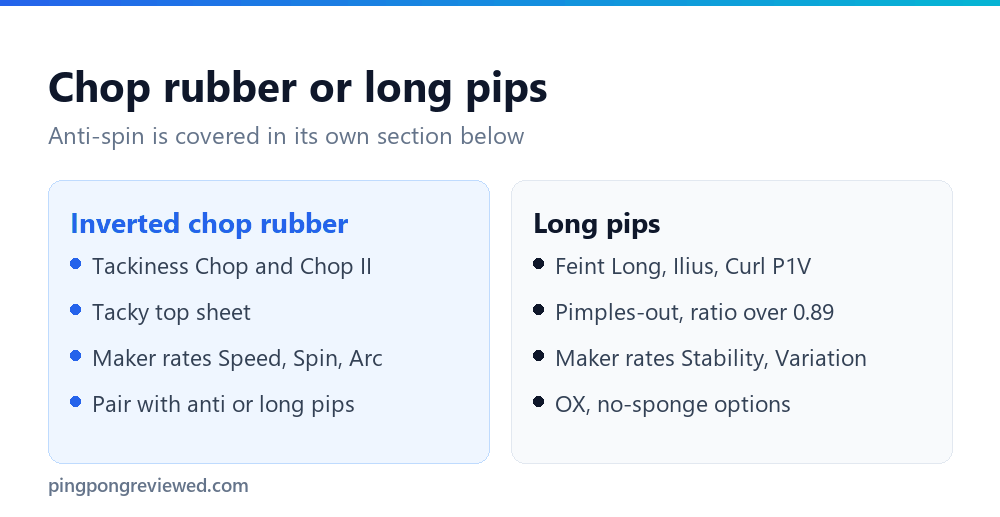
The ITTF’s Technical Leaflet T4 sorts racket coverings into four types: In for pimples-in, Anti for pimples-in with the anti label, Out for pimples-out, and Long for pimples-out where the aspect ratio is above 0.89. See the 2017 edition of the leaflet, which a German federation hosts. A defender usually chooses between three of those.
The inverted chop rubbers
1. Butterfly Tackiness Chop: the chopper’s inverted rubber
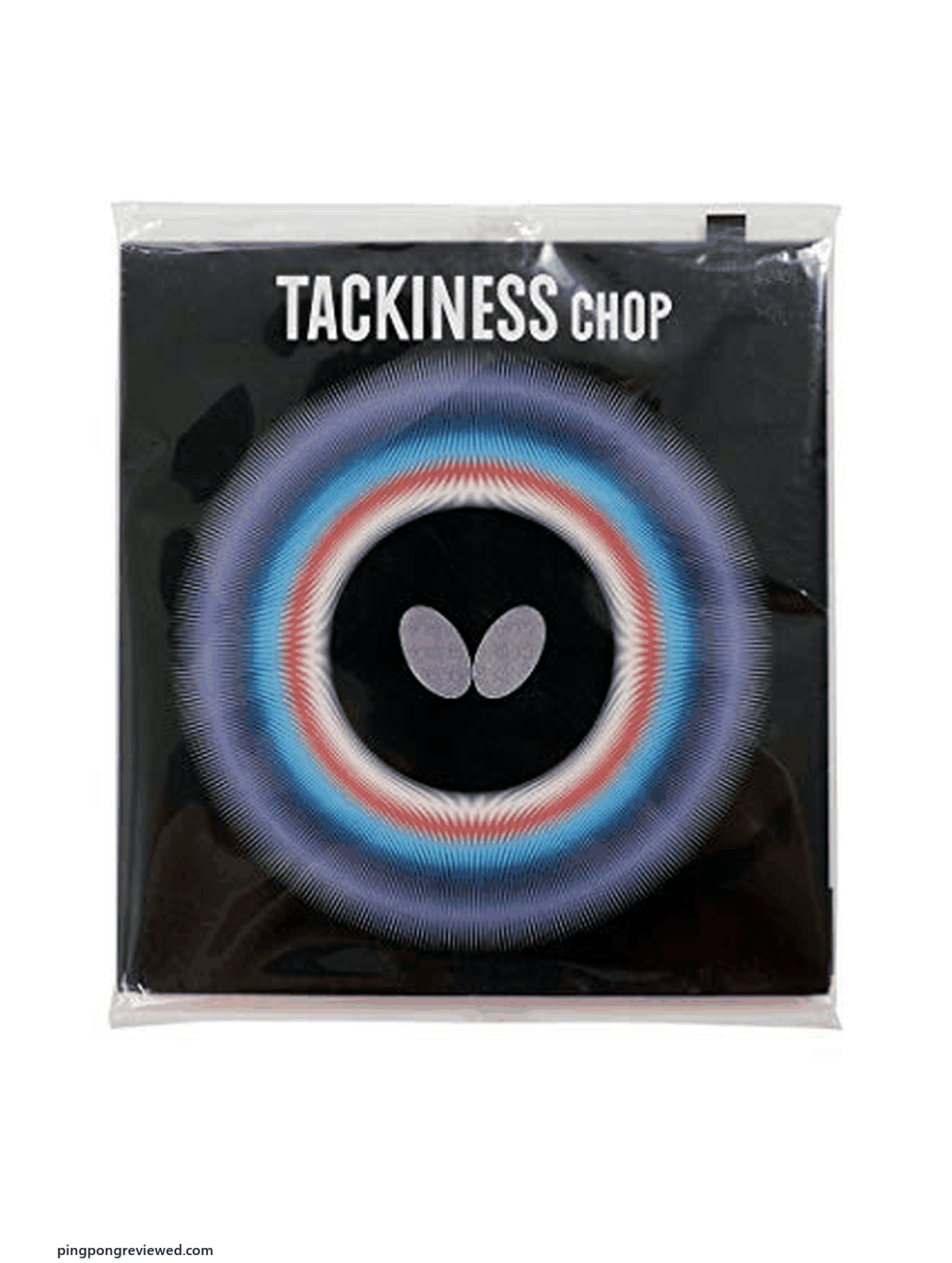
Butterfly says the Tackiness Chop was designed with the chopper or defensive player in mind, with a sticky, tacky surface paired with a soft sponge, and that it is very easy to control because of the decreased speed. Its ratings are Speed 16, Spin 16, Arc 27 and Hardness 32. Butterfly’s advice is to use it on a combination racket with either anti-spin or long pips on the other side.
It comes in 1.5, 1.7 and 1.9 mm, in red and black, at $34.99. The black 1.9 mm version was $34.99 on Amazon on October 8 from Bowmar Sports, and the black 1.7 mm version was the same price. The ITTF database has an entry named Tackiness-C, type In, with no number, which we assume is this rubber, so confirm it before you rely on it.
2. Butterfly Tackiness Chop II: the harder-sponge version
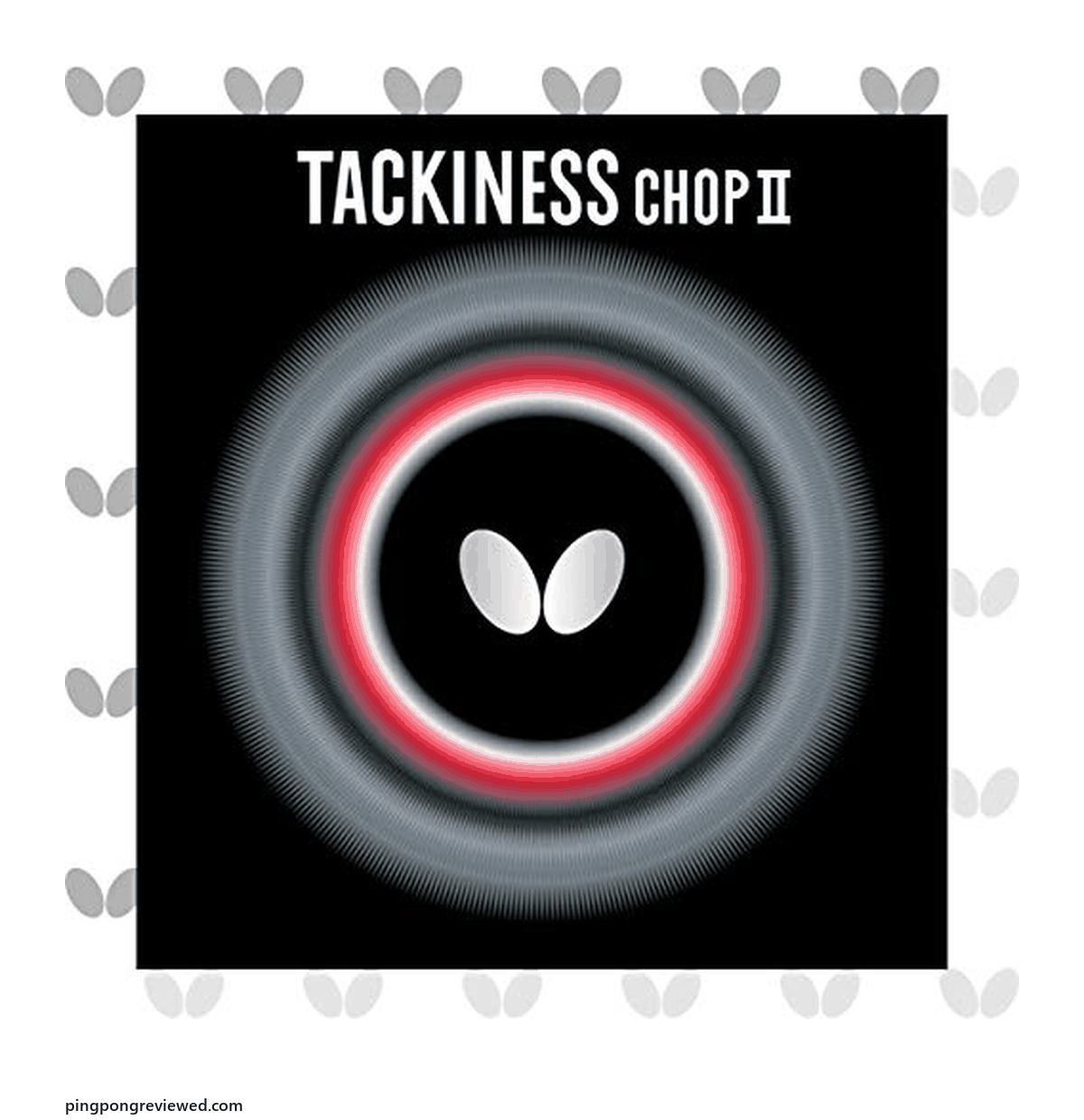
Butterfly describes the Tackiness Chop II as an inverted chopping rubber with a hard sponge, for the defensive player who wants heavy underspin but needs more speed than the Tackiness Chop. Its ratings are Speed 16, Spin 30, Arc 41 and Hardness 41. Butterfly’s US shop lists only the 1.5 mm red version, at $44.99. That version was $44.99 on Amazon on October 8.
The database’s Tackiness-C II entry is also type In with no number. A warning on Amazon: another listing is titled Tackiness Chop II, but it is priced at $34.99 like the original Tackiness Chop and uses the original’s description. We don’t link it, because the title and the listing don’t match.
The long pips rubbers
3. Butterfly Feint Long III: the aggressive chopper’s long pips
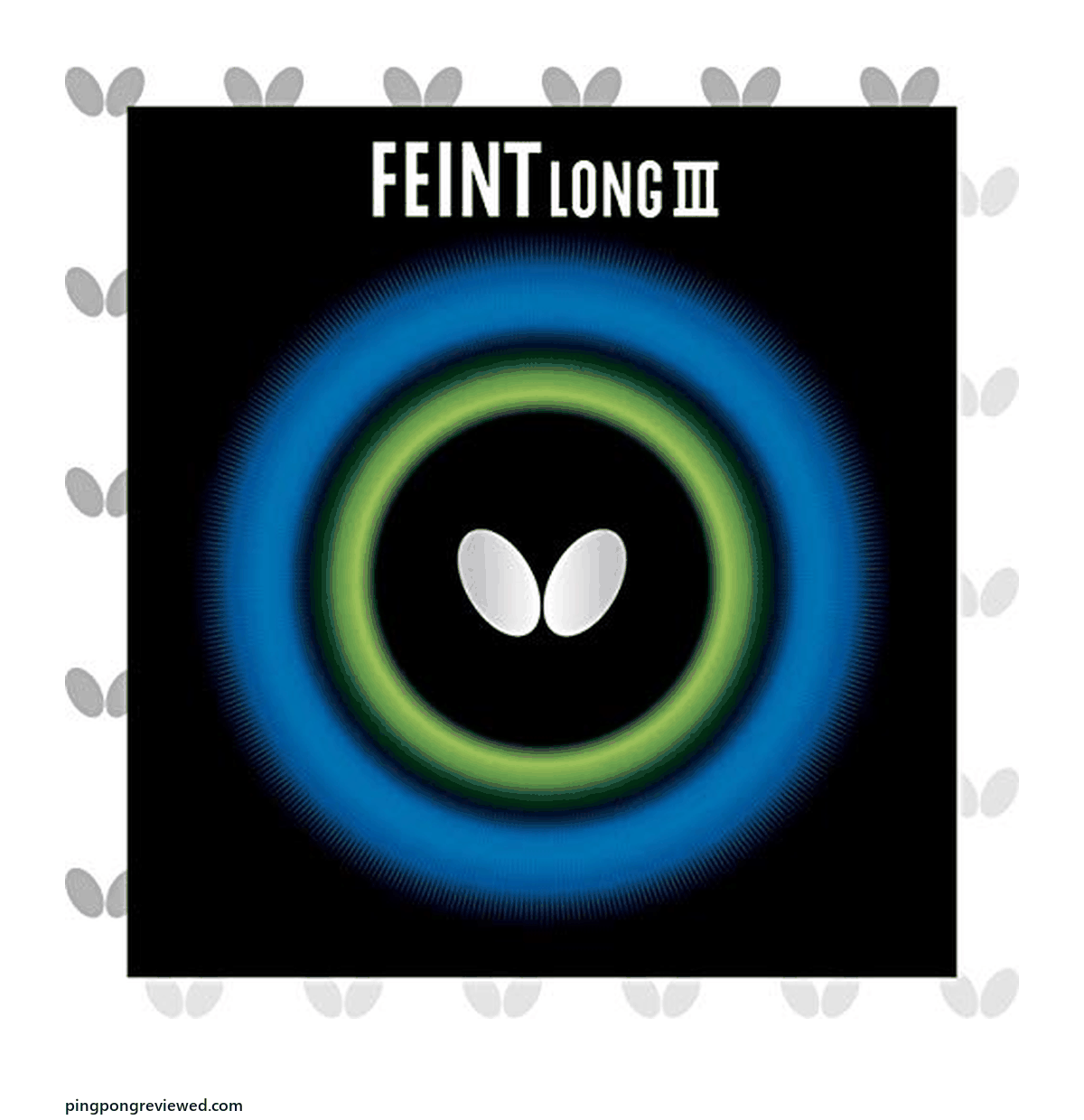
Butterfly says the Feint Long III is designed for the aggressive chopper, with a soft, flexible top sheet and a soft sponge, ideal for long-range heavy chopping with maximum control. It recommends it for defenders who chop with heavy backspin and attack with variation. Ratings are Stability 8, Variation 3 and Hardness 25. It comes in 0.5, 1.1, 1.3 mm and OX at $36.99. The black 1.1 mm version was $36.99 on Amazon on October 8. The ITTF database lists it as type Long with no number shown.
4. Butterfly Feint Long II: the lower-priced long pips
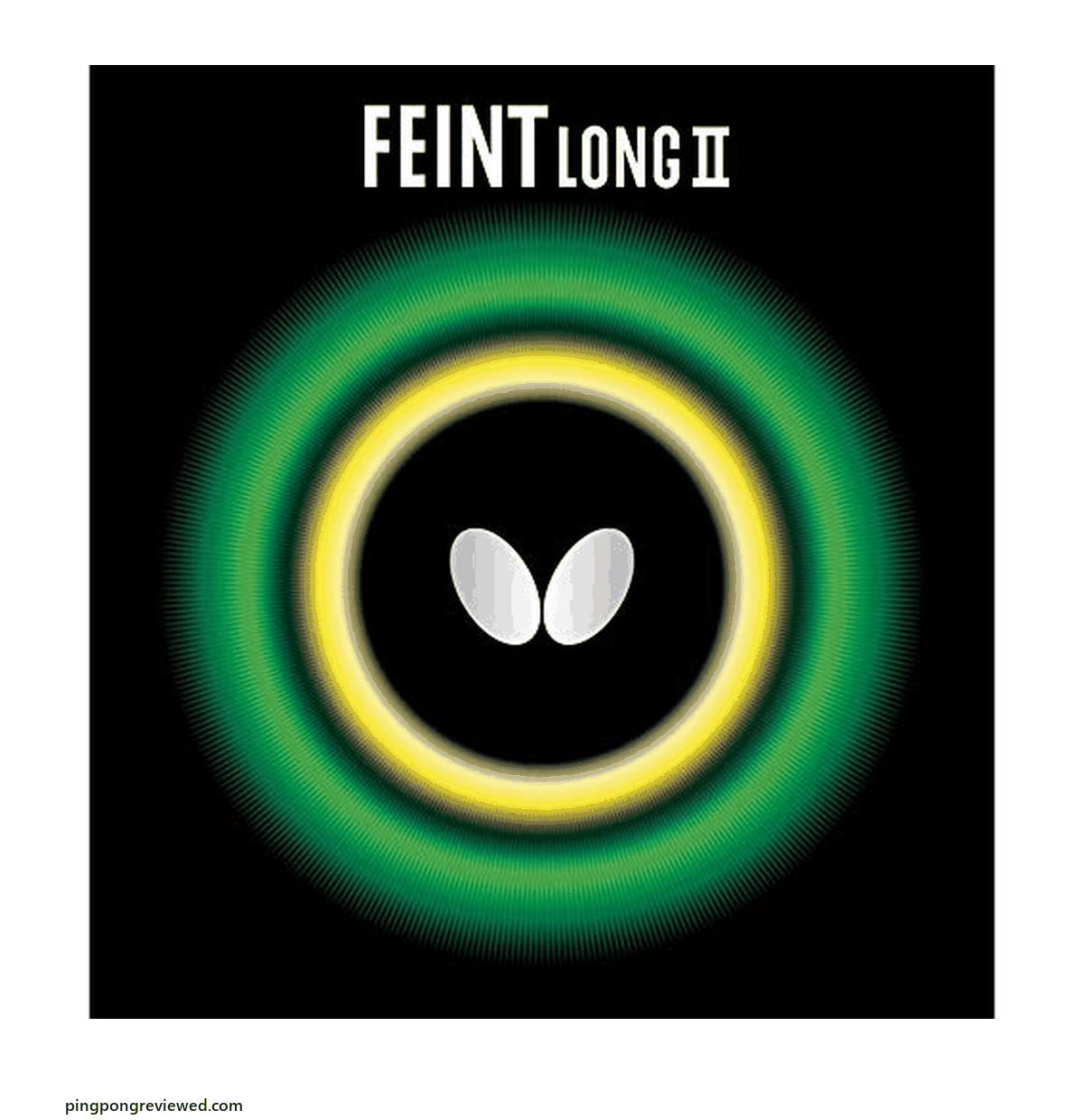
Butterfly says the Feint Long II pushes the limits of the ITTF’s length and diameter aspect ratio for pips rubber, with long, skinny pips that bend easily at contact. It describes a wide range of spin and the consistency defensive players demand. Ratings are Stability 5, Variation 5 and Hardness 38, and it costs $30.99, the lowest of the seven picks. The red 1.3 mm version was listed on Amazon on October 8. The ITTF database lists it as type Long with no number shown.
5. Butterfly Ilius S: the Absorber Sponge Heavy long pips
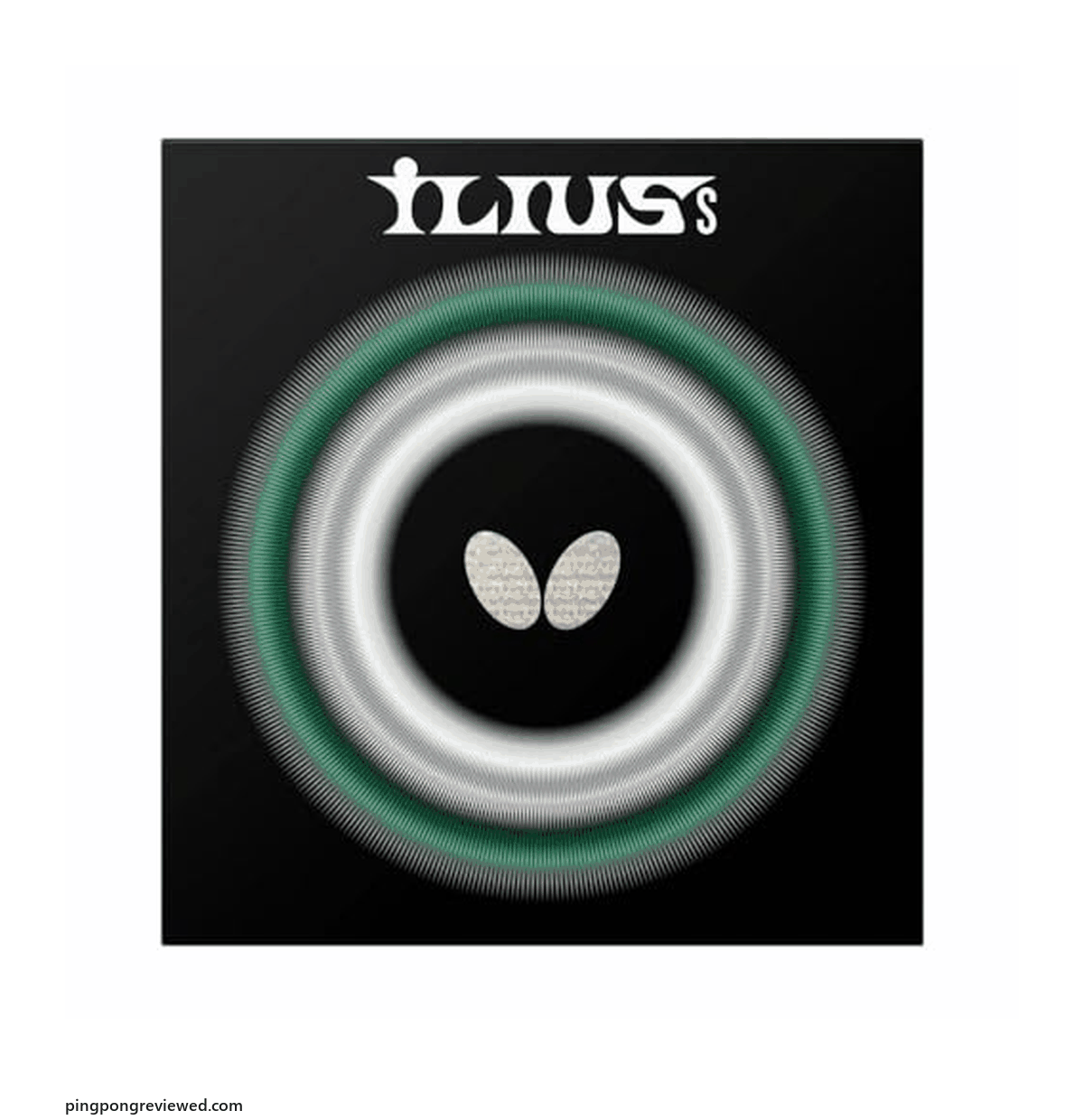
Butterfly describes the Ilius S as having an Absorber Sponge Heavy and recommends it for defensive players, enabling subtle changes as well as stability in rallies. Ratings are Stability 7, Variation 6 and Hardness 45. It comes in 0.5, 1.1 and 1.3 mm at $37.99. The black 1.3 mm version was listed on Amazon on October 8. The ITTF database lists the Ilius S as type Long, number 14-043.
6. Butterfly Ilius B: for close-to-the-table defense

Butterfly says the Ilius B has a new hard sponge that shines close to the table for blocking, chop blocking and drop shots, and recommends it for players who want both attacking and defensive play. Ratings are Stability 6, Variation 7 and Hardness 48. It comes in 0.5, 1.1 and 1.3 mm at $37.99. The black 1.1 mm version was listed on Amazon on October 8. The ITTF database lists it as type Long, number 14-042.
7. Victas Curl P1V: the Japanese-made long pips
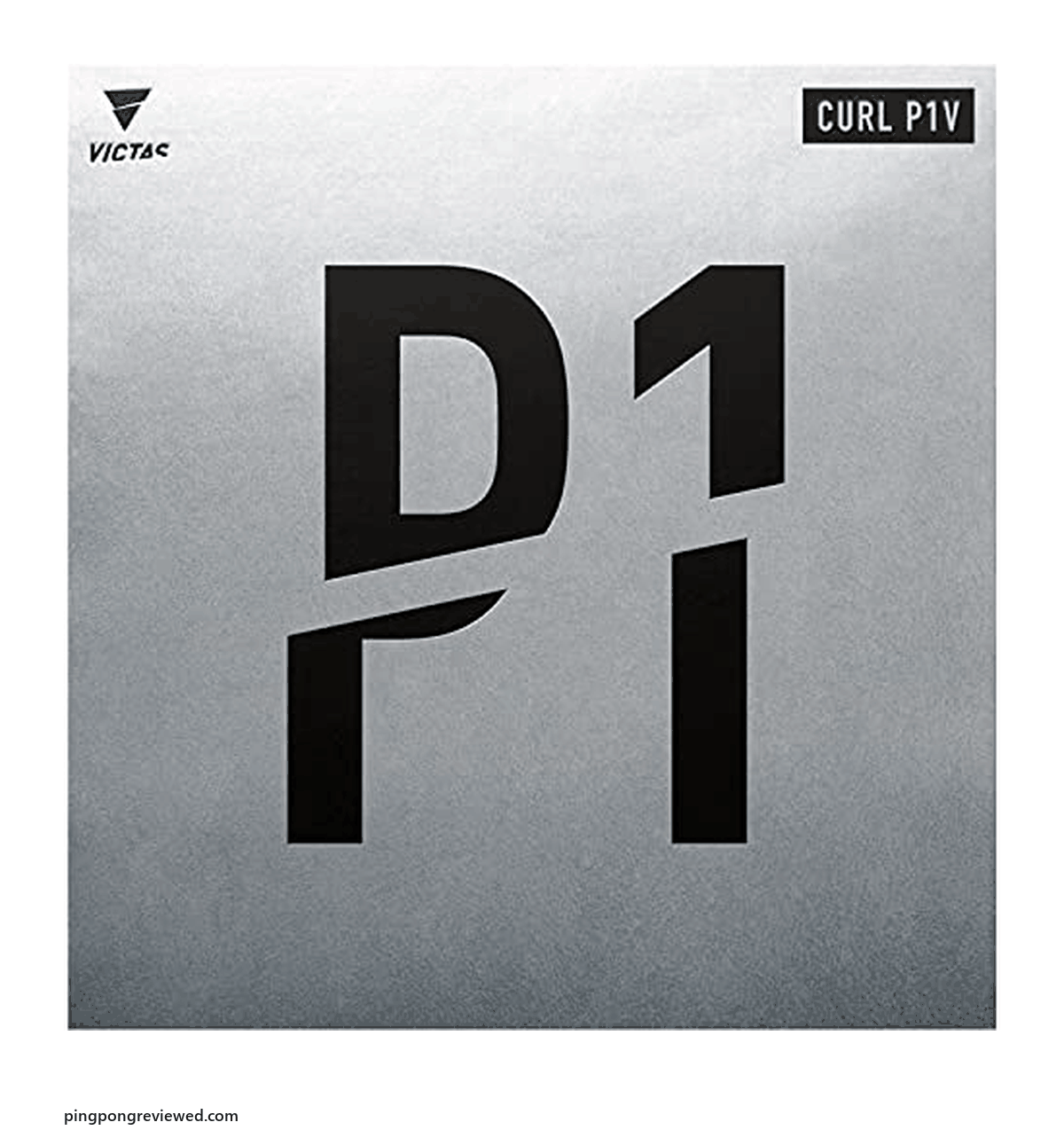
Victas lists the Curl P1V as made in Japan, in red and black, as a variation-type long pips rubber. Sponge thickness options are 1.5, 1.0 and 0.5 mm and OX, and sponge hardness is 55.0 plus or minus 3. Victas’s page prices it at 4,620 yen with tax in Japan. Our translation of the maker’s text says it has the tallest and thinnest pimple shape in the Curl series. The black 1.5 mm version was $34.19 on Amazon on October 8 from TableTennisStore US. The ITTF database lists it as type Long, number 117-038. Neither maker says its hardness figure can be compared with the other’s, so don’t compare them.
Anti-spin rubber: a different job
Anti-spin rubber is for disrupting an opponent, not for chopping. Butterfly describes its Super Anti as having a nearly frictionless top sheet and soft sponge that neutralizes fast, spinny shots, with Stability 5, Variation 7 and Hardness 25. It says the best way to use it is with a fast, spinny, offensive rubber on the other side of the racket. Butterfly’s US shop lists it only in 1.9 mm at $27.99, and it was out of stock on October 8. We found no Amazon listing for it, so we give no buy link.
Yasaka’s Anti Power is listed on Amazon in a 2.0 mm size at $38.95, and the ITTF database lists it as type Anti. We couldn’t open a Yasaka maker page, so we have no ratings for it. For how to play against anti-spin, see our anti-spin opponent guide.
Sponge thickness for a defensive table tennis rubber: what makers publish
We found no federation or maker guidance on the best thickness for defense, and the numbers below are only what each maker offers. The Tackiness Chop starts at 1.5 mm. The Feint Long III and II go as thin as 0.5 mm and offer an OX version with no sponge. The Ilius S and B run 0.5 to 1.3 mm, and Victas’s Curl P1V runs 0.5 to 1.5 mm plus OX. The Tackiness Chop II is sold only in 1.5 mm at Butterfly’s US shop.
Contra, a dealer, says sponge thickness on its defensive pimples-in rubbers is usually thin, under 1.8 mm. That is a retailer’s generalization about one rubber type, and Butterfly’s own Chop II and Ilius B describe hard sponges, so treat it as a starting point and not a rule. Our control rubber guide covers rubbers by control, if you want a general view.
Is your defensive table tennis rubber legal? The check before you compete
Three rules matter for defenders. First, thickness. Law 2.4.3 says an ordinary pimpled rubber must have a total thickness including adhesive of less than 2.05 mm, and sandwich rubber less than 4.05 mm, subject to any tolerance in the technical documents. T4 says those limits are absolute and include any adhesive. See the Laws of Table Tennis 2026-27, as published by Table Tennis England.
Second, treatment. Law 2.4.7 says the racket covering shall be used without any physical, chemical or other treatment, and T4 says post-factory treatments are not permitted. That rules out boosters and speed glue. A thick glue layer can push a covering past the 4.0 mm limit, and the 2022 edition of the ITTF racket covering manual warns that re-gluing just before a match can make a covering expand beyond the legal thickness.
Third, the list. For sanctioned play, a covering must be on the ITTF’s approved list. We checked the ITTF’s public equipment database on October 8, 2026 for the rubbers above, and the results are noted with each pick. Entries without an ITTF number, such as the Feint Long II and III, are not shown as approved in the database, and other entries expire, so check the current official list for your exact covering before you compete. We could not open the ITTF’s own website, which returned an access error.
Pairing the other side of the racket
Butterfly’s Tackiness Chop and Super Anti pages talk about the other side. For the Tackiness Chop, Butterfly says to use a combination racket with anti-spin or long pips opposite it. For the Super Anti, it says to put a fast, spinny, offensive rubber on the other side. That is advice from one maker about its own rubbers, not a general rule. We didn’t read blade-pairing guidance from other makers, so we leave blades out.
How we checked this guide
We read Butterfly’s US shop page for each rubber, Victas’s page for the Curl P1V, the Laws of Table Tennis 2026-27 as published by Table Tennis England, the ITTF’s Technical Leaflet T4 and its covering manual as hosted by a German federation, and the ITTF’s public equipment database. Amazon’s product data gave prices, variants and stock on October 8, 2026. We did not test any rubber, so we don’t say how any of them play. DHS’s site showed only a site-upgrade notice, we could not open Yasaka’s maker pages, and ittf.com returned an access error, so we left unverified claims out. Prices and stock change daily.
Frequently asked questions
What is the best defensive table tennis rubber?
It depends on the surface and on how you defend. Butterfly describes the Tackiness Chop as designed with the chopper or defensive player in mind, the Feint Long III as designed for the aggressive chopper, and the Ilius B as shining close to the table for blocking and chop blocking. We haven’t tested any of them, so we don’t name a single winner.
Are long pips or inverted rubber better for defense?
Neither is better by rule. Inverted chop rubbers such as the Tackiness Chop give you a conventional surface with a tacky top sheet. Long pips such as the Feint Long III or Curl P1V give a different kind of variation. Butterfly’s own advice for the Tackiness Chop is to pair it on a combination racket with anti-spin or long pips on the other side.
What is anti-spin rubber, and is it legal?
The ITTF’s Technical Leaflet T4 lists anti as a pimples-in covering type, and Butterfly describes its Super Anti as having a nearly frictionless top sheet that neutralizes fast, spinny shots. Anti-spin coverings appear in the ITTF’s racket covering database, so they can be legal, but only if the exact covering is on the current list. Check it before you compete.
What sponge thickness do defenders use?
We found no federation or maker rule on this. The maker-published options are: Tackiness Chop 1.5, 1.7 or 1.9 mm; Feint Long III and II 0.5, 1.1, 1.3 mm or OX; Ilius S and B 0.5, 1.1 or 1.3 mm; and Curl P1V 1.5, 1.0, 0.5 mm or OX. Law 2.4.3 says under 4.05 mm for sandwich rubber including adhesive, and T4 treats 4.0 mm as an absolute limit.
Are long pips legal?
Long pips are a recognized covering type. T4 defines Long as pimples-out with an aspect ratio, pimple height over width, above 0.89. Each covering must still be on the current ITTF list for sanctioned play. The Ilius B and S, and the Curl P1V, appear in the ITTF database with ITTF numbers. Butterfly’s Feint Long II and III appear without a number and are not shown as approved in the database, so confirm their status before you compete.
Can I use boosters or speed glue?
Not under the Laws. Law 2.4.7 says the racket covering shall be used without any physical, chemical or other treatment, and T4 says post-factory treatments are not permitted.
What does OX mean on a long pips rubber?
OX means a sheet sold without a sponge layer, though neither maker’s page explains the term. Butterfly sells the Feint Long III and II in OX, and Victas sells the Curl P1V in OX.
Is the Dignics 09C a defensive rubber?
Butterfly describes it as a high friction, high tension rubber with Speed 79, Spin 96, Arc 96 and Hardness 44, and as ideal for over-the-table play and countering topspin as well as defensive play, due to its high spin capabilities. Those are the highest spin ratings in this guide, so we read it as a mainly attacking rubber and don’t list it as a defensive pick.
Sources
Ratings and options come from Butterfly’s pages for the Tackiness Chop, Tackiness Chop II, Feint Long III, Feint Long II, Ilius S, Ilius B and Super Anti, and from Victas’s Curl P1V page. Rules come from the Laws of Table Tennis, Technical Leaflet T4 and the covering manual. Prices and variants come from Amazon’s product data.
As an Amazon Associate, we earn from qualifying purchases through links on this page.

Ping Pong Reviewed is an equipment review site covering table tennis and baseball gear. Specifications are checked against manufacturer listings, and prices against live retail pages, before publication.