Transitioning Forehand to Backhand Fast in Table Tennis

Shifting from a forehand-ready position to a backhand one, or back again, happens constantly in a rally. Table Tennis University advises using one step to move across rather than lots of little steps, which it says waste time.
This page covers the side-to-side footwork pattern that coaching sites describe for a right-hander, the one-step advice from Table Tennis University, and a direction difference that source says to expect.
Short answer: When you are close to the table, the side-to-side (shuffle) footwork pattern is the main one: you move your outside foot first, in small, quick, side-to-side steps (All About Table Tennis). Table Tennis University advises using one step to move across from the backhand side to the forehand side, and vice versa, because taking lots of little steps wastes time.
Table of Contents
The Shuffle Step Is the Default at Close Range
All About Table Tennis calls the side-to-side pattern the main footwork pattern in a match when you are close to the table, and says it needs to be fast and economical. For a right-hander moving from the forehand to the backhand, it describes moving the right foot first, then the left, then the right again and then the left, in small, quick, side-to-side shuffling steps. The source gives this sequence for a right-hander.
The Core Efficiency Principle: One Step, Not Several
Table Tennis University’s footwork drill page puts it this way: use one step to move across from the backhand side to the forehand side, and vice versa, because taking lots of little steps will waste time. That advice comes with a shadow-practice drill (move, stop, hit), so treat it as a drill goal rather than a rule for every ball.
⚠️ Watch out: Table Tennis University says taking lots of little steps to move between the backhand and forehand sides wastes time, so it is worth checking how many steps you actually take.
Why Balance Matters During the Transition
One reason coaches teach controlled, small steps is balance. PingSunday’s footwork article says to keep your body steady when moving side to side, and warns that jumping and leaning make you lose balance, which makes a powerful shot harder. In general terms, a movement that keeps you balanced should leave you ready to hit sooner than one you have to recover from.
The Backhand-to-Forehand Asymmetry
Table Tennis University says not to be surprised if you find it more difficult to move from the backhand side to the forehand side than the other way round. Its explanation is that in one direction you move with the direction of your stroke, body rotation and weight transfer, and in the other you move against all of them. If you notice this in your own game, it is reasonable to give the harder direction some extra practice time.
💡 Pro tip: If the backhand-to-forehand direction feels harder to you, giving it a few extra repetitions is a reasonable general approach.
When to Use a Larger Step Instead
All About Table Tennis describes the side-to-side pattern for when you are close to the table. For a shot played wide to the forehand side, when you do not have time for the side-to-side pattern because you need to cover a larger area quickly, the same source describes the cross-over footwork pattern instead.
- ✓Use the shuffle step as your default for close-range forehand-backhand transitions
- ✓Commit to one well-timed step rather than several small, hurried adjustments
- ✓Keep your body steady and balanced while you move
- ✓Allocate extra practice specifically to the backhand-to-forehand direction if it’s your weaker one
- ✕Take multiple small steps when one well-timed step would cover the same distance faster
- ✕Jump or lean to reach the ball, which PingSunday says costs you balance
- ✕Assume both transition directions are equally easy without checking your own tendencies
- ✕Use the shuffle pattern for a distance that actually requires a crossover step instead
The Short Version, Restated
When you are close to the table, the side-to-side shuffle pattern is the standard footwork for moving between the forehand and backhand sides, and Table Tennis University advises using one step across rather than lots of little steps. It also says the backhand-to-forehand direction can feel harder.
Practicing This Transition Deliberately
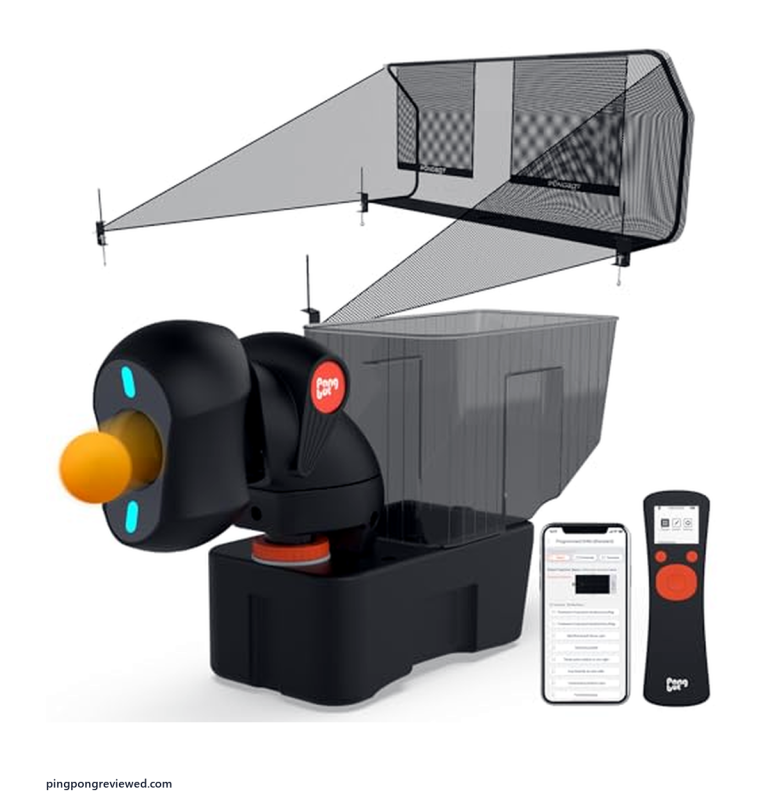
One drill format: have a practice partner or a robot feed alternating forehand and backhand balls at a moderate pace, and try to use one step to move across for each transition. Table Tennis University describes a related shadow drill built around a move, stop, hit rhythm.
Table Tennis University suggests practicing in front of a mirror or recording your training on video to watch it back, which is one way to check how many steps you take.
Common Questions
What’s the fastest way to transition between forehand and backhand?
Table Tennis University advises using one step to move across from the backhand side to the forehand side, and vice versa, and says taking lots of little steps will waste time.
What footwork pattern is used for a forehand-to-backhand transition?
For a right-hander, All About Table Tennis describes moving the right foot first, then the left, then the right again and then the left, in small, quick, side-to-side steps.
Is backhand-to-forehand harder than forehand-to-backhand?
Table Tennis University says you may find the backhand-to-forehand direction more difficult, because in that direction you move against your stroke direction, body rotation and weight transfer.
When should I use a bigger step instead of the shuffle step?
All About Table Tennis describes the cross-over footwork pattern for a shot played wide to the forehand side when you do not have time for the side-to-side pattern.
How should I practice fixing an inefficient transition habit?
Drill alternating forehand and backhand feeds while trying to use one step to move across for each transition, and consider recording your training to watch it back.
The Short Version
Use one step across rather than lots of little steps, and keep your balance while you move.
- →Close to the table, the side-to-side shuffle pattern is the main footwork pattern (All About Table Tennis).
- →Forehand to backhand (right-hander): right foot first, then left, then right, then left.
- →Use one step across rather than lots of little steps (Table Tennis University).
- →Keep your body steady and balanced while you move (PingSunday).
- →Backhand-to-forehand can feel harder than forehand-to-backhand (Table Tennis University).
- →A wide forehand shot with little time calls for the cross-over pattern (All About Table Tennis).

Benjamin Fink is the Lead Equipment Analyst and Senior Contributor at Ping Pong Reviewed. A competitive USATT tournament player and table tennis technician with over 12 years of testing experience, Benjamin specializes in blade carbon composite physics, rubber sponge durometer hardness testing, ITTF equipment compliance, and table tennis robotics mechanics.